
Ways To Prepare Your Motorcycle for Long-Distance Travel
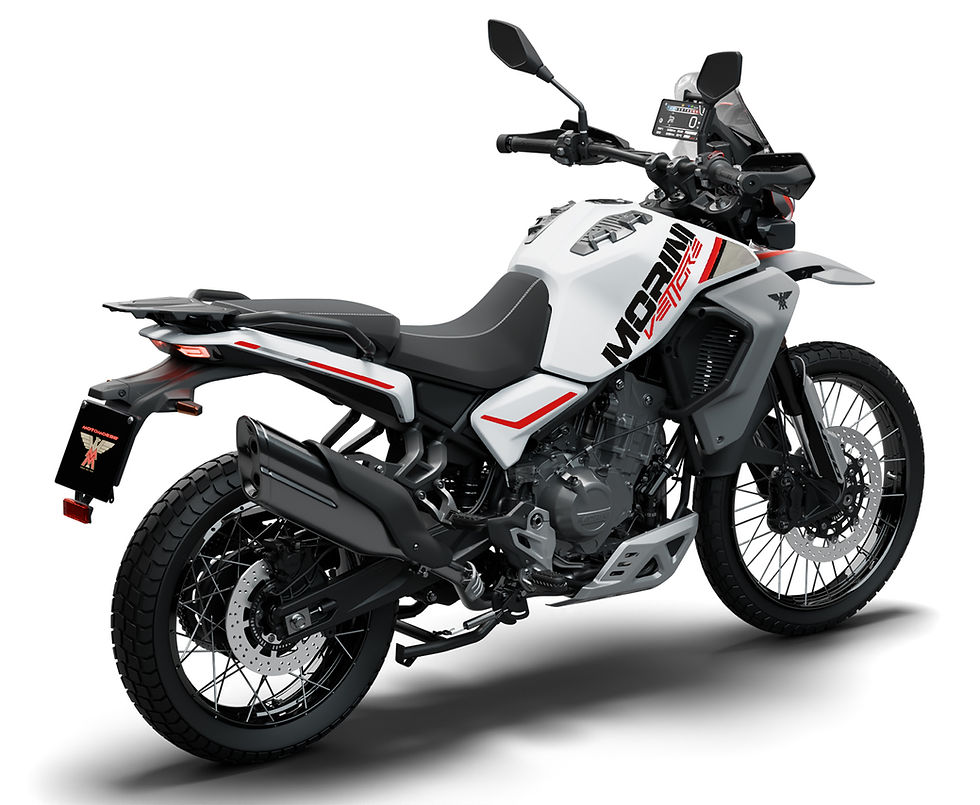
Long-distance riding has a way of changing your perspective. The miles settle in, the road opens up, and every stop becomes part of the story. Whether you are heading into mountain curves, crossing open desert highways, or planning a weekend escape with friends, preparation shapes the entire experience.
Before you leave the driveway, it helps to prepare your motorcycle for long-distance travel with the same attention you give your route. A well-prepared bike delivers more peace of mind when the ride stretches far beyond your local roads. For riders on an adventure machine or a cruiser motorcycle, the right setup can make every mile feel more connected and enjoyable.
Start With a Complete Mechanical Check
Every successful road trip starts with confidence in your machine. Even experienced riders can overlook small maintenance items when excitement takes over, but long-distance riding puts every system under extended stress.
Start with the essentials, including:
Checking tire pressure and tread wear
Inspecting brake pads and fluid levels
Confirming lights, signals, and battery performance
Tires need extra attention because they directly affect stability, comfort, and fuel efficiency. Uneven tread or incorrect pressure can make a motorcycle feel unpredictable during long highway stretches. Riders planning routes through changing climates should also confirm that their tires are suitable for wet pavement and shifting temperatures.
Fluids are equally important. Inspect your engine oil, coolant, and brake fluid before departure. If your service interval is approaching, handle it before the trip instead of hoping to squeeze in a few extra miles. Long-distance travel is far more enjoyable when your focus stays on the road rather than on unexpected maintenance concerns.
Dial In Your Riding Position
Comfort becomes a performance advantage during long rides. Hours in the saddle can create fatigue that affects concentration, reaction time, and overall enjoyment.
Start by adjusting your handlebars, mirrors, and controls to fit your natural posture. Your shoulders should stay relaxed while your wrists remain neutral. If you feel stretched forward or cramped after a short ride, those issues will only become more noticeable after several hundred miles.
Seat comfort also matters more than many riders expect. Some riders prefer additional padding or aftermarket seating for longer trips, especially on a cruiser motorcycle designed for extended highway riding. Small ergonomic upgrades can reduce pressure points and help you stay focused on the ride.
Wind protection is another factor worth considering. A windshield or windscreen can reduce fatigue caused by constant wind resistance, especially during interstate travel. Many riders notice less strain on their neck and shoulders after installing proper wind protection for touring routes.
Pack With Balance and Practicality in Mind
Packing too much can make a motorcycle feel heavy and unstable, while packing too little can leave you unprepared when conditions change. The goal is balance.
Focus on gear that supports both comfort and safety, such as:
Lightweight riding layers for changing weather
Compact tools and tire repair equipment
Hydration supplies and emergency essentials
Weight distribution matters just as much as the gear itself. Heavier items should stay low and centered on the motorcycle whenever possible. Uneven luggage placement can affect handling, particularly during cornering or sudden braking.
Soft luggage systems remain popular for riders who want flexibility and lower overall weight. Hard cases offer additional security and weather protection, especially for longer tours. The right setup depends on your route, riding style, and the amount of equipment you plan to carry.
It is also smart to keep frequently used items accessible. Gloves, rain layers, chargers, and snacks should not require unpacking half the bike during every stop. Efficient organization keeps your ride moving smoothly and reduces unnecessary frustration on the road.
Plan Your Route Beyond the GPS
Navigation technology makes trip planning simple in theory, but relying entirely on GPS can create problems. If signal coverage disappears, road conditions change unexpectedly, or traffic conditions force you off route, you need to be able to continue driving with confidence.
Before leaving, study your route in detail. Identify fuel stops, overnight lodging, rest areas, and alternate roads in case of closures or weather delays. Riders traveling through remote areas should pay close attention to fuel availability, especially in desert or mountain regions.
Long-distance riders also benefit from building flexibility into their schedule. Trying to cover too many miles in a single day often leads to fatigue and rushed decision-making. A realistic route that accounts for rest gives you time to enjoy the ride instead of constantly chasing the clock.
Prepare Yourself As Carefully as the Bike
Motorcycle preparation is only part of the equation. Riders need preparation too.
Physical endurance plays a major role during long trips. Hydration, sleep, and nutrition all affect focus behind the handlebars. Riders who ignore their building fatigue can experience slower reaction times and reduced awareness after several hours on the road.
Riding gear should also match the demands of the journey. Breathable jackets, quality gloves, and protective footwear contribute to both comfort and safety during changing conditions. Layering systems are especially useful because they allow riders to adapt without carrying excessive bulk.
Stay Connected Without Losing the Experience
Technology has become part of modern motorcycle travel, but the best rides still leave room for freedom and spontaneity. Fortunately, riders often find that long-distance trips create a deeper connection with their machines. Every fuel stop, roadside cafe, and scenic overlook becomes part of the journey.
At the same time, it helps to unplug occasionally. Some of the best moments happen when riders stop chasing notifications and focus fully on the road ahead. The sound of the engine, the rhythm of shifting gears, and the scenery unfolding around every corner are what make motorcycle travel unforgettable.
Know When To Take Breaks
One of the most overlooked parts of long-distance riding is rest management. Riders sometimes push too hard trying to reach a destination, but consistent breaks improve both safety and enjoyment.
During long travel days, make time for the following:
Stretch your legs and shoulders every couple of hours
Drink water regularly, even when temperatures feel mild
Take short mental breaks away from traffic and noise
Short stops also create opportunities to inspect your motorcycle throughout the trip. Quick checks for loose luggage, tire wear, fluid leaks, or chain condition can prevent small issues from becoming major setbacks later in the ride.
Ride Into the Journey Prepared
Long-distance motorcycle travel is about far more than reaching a destination. It is about the feeling that comes from settling into the rhythm of the road, discovering new places, and creating stories that stay with you long after the engine cools down.
When riders take the time to prepare their motorcycles for long-distance travel, every mile will be more rewarding. Careful planning, smart maintenance, and thoughtful packing allow you to focus on the experience instead of distractions or avoidable problems.
At Moto Morini, we build motorcycles for riders who want more from every journey. From an adventure-ready touring platform to a refined cruiser motorcycle inspired by Italian heritage, our lineup is designed to help riders chase new roads with confidence and character. Xplore More with Morini and find the motorcycle that matches the way you ride.


The bit about every stop becoming part of the story really hits home—my last trip taught me that a pre-ride tire check is just as important as the route itself. I've been using a simple pre-ride checklist that’s saved me more than once, and you can find it at https://zimage-ai.com
The bit about every stop becoming part of the story really hits home—my last long haul taught me that tire pressure and chain tension are the real MVPs. I've been using a pre-ride checklist that covers exactly this, and it's saved me more than once. https://crayo-ai.net
The bit about every stop becoming part of the story really hits home—prepping the bike is half the adventure. I've been using a pre-ride checklist that covers tire pressure and chain tension before I even think about packing. https://lyrics-to-song-ai.com
The part about every stop becoming part of the story really hit home—my last trip taught me that tire pressure checks matter more than any scenic detour. I've been using a pre-ride checklist that covers exactly this. https://cometly.pro
The bit about every stop becoming part of the story really hits home—my last trip taught me that tire pressure checks matter more than any scenic detour. I've been tracking my pre-ride checklist with https://free-ai-photo.com